
Istanbul is one of the busiest media cities between Europe and the Middle East. Turkish TV series are watched from Latin America to Central Asia, the advertising scene is large and competitive, and newsrooms, production houses and digital agencies are packed into a few districts of the city. That is the real argument to study media and communication in Turkey: you learn in a place where the industry is not a case study but the building next door
This guide explains which degrees exist, where you can study in English, what admission looks like for 2027, realistic fees and the careers graduates actually go into
What media and communication degrees look like in Turkey
In Turkey these programmes sit in a Faculty of Communication, called İletişim Fakültesi. The first year is usually shared: media theory, communication history, writing, visual culture and an introduction to digital tools. From the second year you specialise, and the department you enrol in shapes most of what follows
- Journalism, with news writing, reporting, data and mobile journalism
- Public Relations and Advertising, often split into two departments at larger universities
- Radio, Television and Cinema, the most production-heavy option with studio and editing work
- New Media or Digital Media, covering social platforms, content strategy, UX and analytics
- Visual Communication Design, which leans towards graphic design and often asks for a portfolio
Most curricula include a compulsory internship, usually 20 to 40 working days in a media organisation, agency or corporate communications department. Do not underestimate this. For many of our students the internship is where the first job offer came from
Choosing your specialisation
Students often pick the department with the most familiar name and regret it in year two. Think about what you want to be doing at 25. If you like writing, investigating and deadlines, journalism or new media fits. If you enjoy campaigns, brands and strategy, PR and advertising will feel natural. If you want to be on set or in the edit suite, choose Radio, Television and Cinema and accept that it means long shoots and expensive equipment
A practical point: switching department inside the same faculty is possible at many universities after the first year, but it depends on grades and quotas. Ask about the rules before you enrol rather than after
Where to study media and communication in English
State universities such as Marmara, Ankara and Ege have long-established communication faculties with strong reputations, but they teach almost entirely in Turkish, and Galatasaray University teaches mainly in French. For international students who want to study in English, private universities are the practical choice. You can see how the two systems compare in our article on state and private universities in Turkey
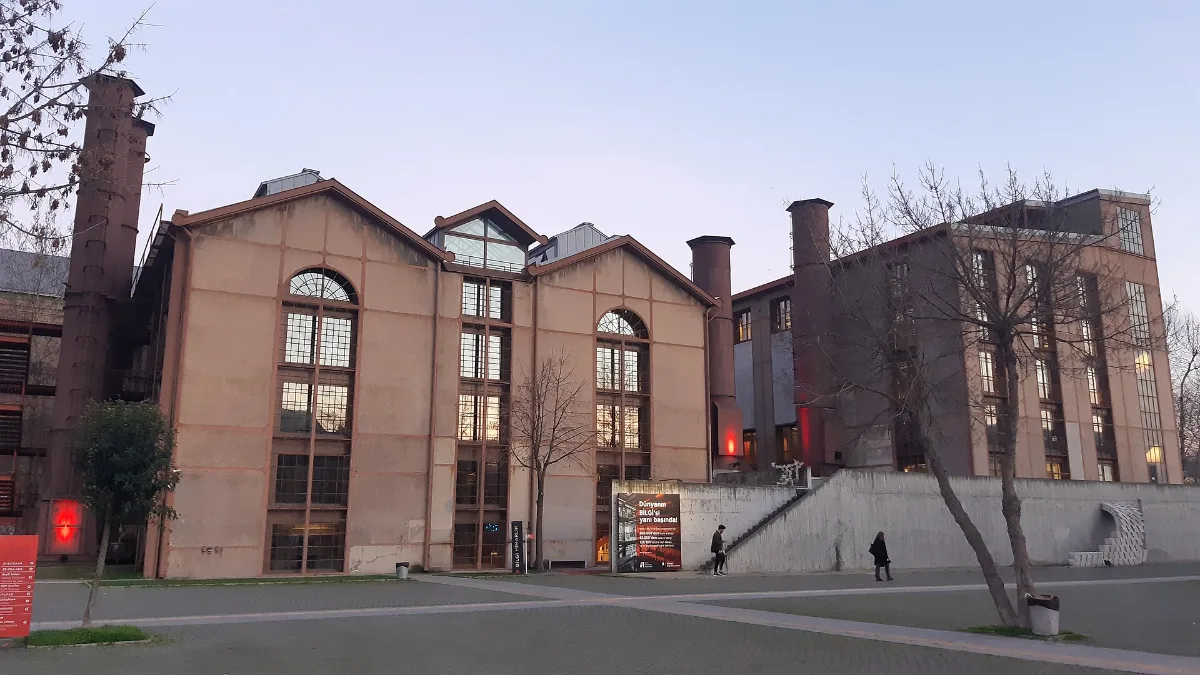
A few names come up again and again with our applicants. Kadir Has University on the Golden Horn has a well-known New Media department and good studio facilities. Istanbul Bilgi University’s communication faculty at the santralistanbul campus, a converted power station, has strong links with the film and TV sector. Bahçeşehir University in Beşiktaş offers several communication programmes in English, and Izmir University of Economics runs English-taught media and new media programmes in a calmer, cheaper city. Programme language can change by department and year, so confirm on the university’s current programme page
| University | City | Typical strengths | Language |
|---|---|---|---|
| Kadir Has University | Istanbul | New media, public relations, film and TV | Mostly English |
| Istanbul Bilgi University | Istanbul | Film and TV, media studies, advertising | English and Turkish programmes |
| Bahçeşehir University | Istanbul | Advertising, PR, digital media | English and Turkish programmes |
| Izmir University of Economics | Izmir | Media and communication, new media | English |
| Marmara University | Istanbul | Journalism, PR, radio and TV | Mainly Turkish |
If you want to compare communication with other English-taught fields before deciding, our overview of English-taught programmes in Turkey is a good starting point
Admission requirements for 2027
Private universities admit international students mainly on their high school diploma and grades. A transcript with a solid average, a passport copy and proof of English are the core documents. Most accept IELTS around 6.0, TOEFL iBT in the 70s or their own proficiency exam, and students who fall short can start with an English preparatory year before the degree begins
State universities need an exam score on top of your diploma, typically YÖS or SAT, and in practice a good level of Turkish. A few departments, usually Radio, Television and Cinema or Visual Communication Design, ask for a portfolio or a short interview. A modest portfolio helps here: a few short videos, a photo series or a blog you have actually kept going
If you already make content, put it in your application. Admissions teams in communication faculties respond far better to a link to a real YouTube channel or a set of published articles than to a generic motivation letter
Tuition fees and living costs
Fees at private universities for communication degrees usually sit between 4,000 and 10,000 USD a year on the published price list. Almost every private university then offers international students a discount based on grades, often 25 to 50 percent, so the price families actually pay is frequently in the 3,000 to 6,000 USD range. State universities are cheaper, though fees for international students are set by each university
Living costs depend mostly on the city. A student sharing a flat in Istanbul should plan for roughly 600 to 900 USD a month, while Izmir is somewhat lower. Production-heavy programmes add costs of their own. You will want a decent laptop for editing and, sooner or later, your own camera and microphone
Life as a media student in Istanbul and Izmir
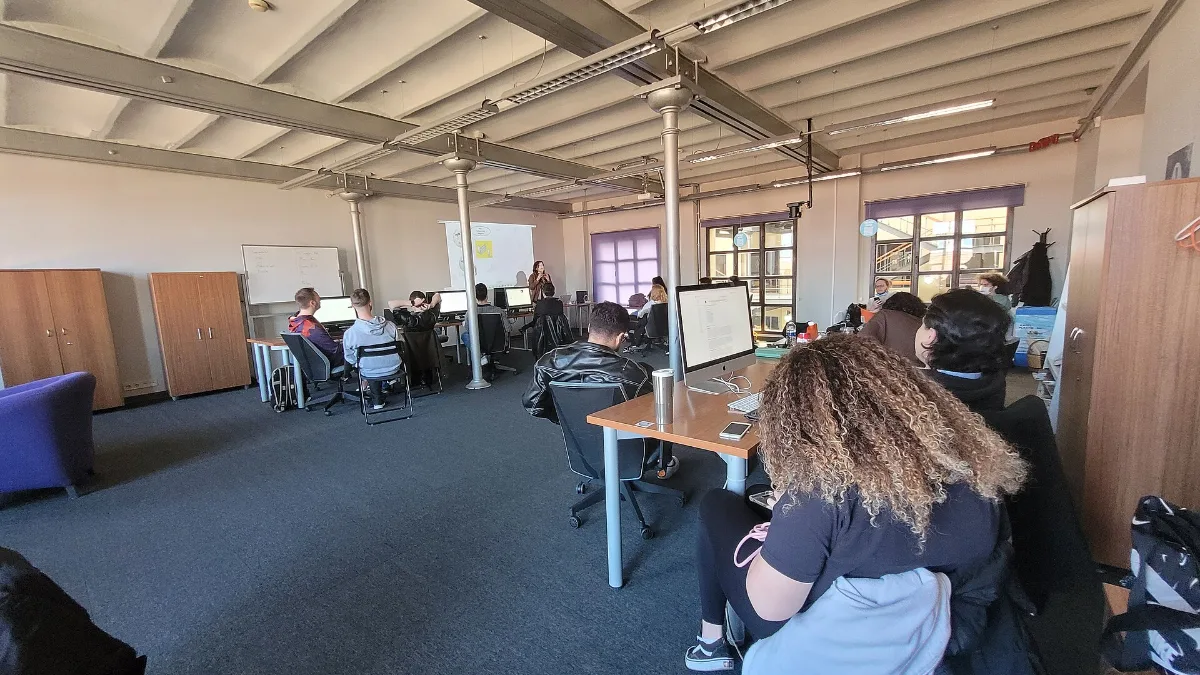
Location matters more in media than in most fields. In Istanbul you can attend film festivals, design weeks and industry talks almost every week, and agencies in Levent, Maslak and Şişli recruit interns from nearby universities. Production companies behind the series sold to dozens of countries are concentrated here too, and they take on student assistants during busy shooting seasons. Our guide to student life in Istanbul covers neighbourhoods and transport if you are choosing a campus. Izmir offers a smaller but lively creative scene and a much more relaxed daily life
Learning some Turkish pays off quickly. Even with an English-taught degree, many internships, shoots and agency meetings run in Turkish, and students who reach an intermediate level by the third year have noticeably more options
Want to study media and communication in Turkey?
Saya Group helps you compare communication faculties, prepare your portfolio and application and secure the best available discount. Book a free consultation with our education team
Career paths after graduation
Graduates go into a wider range of jobs than the degree title suggests. In our experience the most common are:
- Social media and content roles at brands, agencies and startups
- Public relations and corporate communications in international companies
- Production, editing and post-production work in TV series and advertising
- Journalism and editorial work, often for international or multilingual outlets
- Digital marketing, which absorbs many new media graduates
Staying to work in Turkey requires a work permit sponsored by an employer, and Turkish language skills help a great deal in local agencies. Many international graduates instead combine a Turkish degree with remote work or return home with a portfolio built in a large media market. Our article on options after graduating in Turkey explains the residence and work permit routes
How to get started
Choose the specialisation first, then the city, and only then the university. Gather your transcript and English results, put together a small portfolio and apply in the autumn or early winter, when private universities offer their largest discounts for the 2027 intake
Frequently Asked Questions
Can I study media and communication in Turkey in English?
Yes. Several private universities in Istanbul and Izmir offer English-taught communication, new media, PR and advertising programmes, while state universities mostly teach in Turkish
Do I need a portfolio to apply?
Usually not for journalism or PR. Radio, Television and Cinema and Visual Communication Design programmes sometimes ask for one or for a short interview
How long is a communication degree in Turkey?
A bachelor’s degree takes four years. Add one more year if you need the English preparatory programme first
Is a Turkish communication degree recognised abroad?
Degrees from YÖK-recognised universities follow the Bologna system with ECTS credits, so they are generally accepted for master’s admissions in Europe and beyond
Can international students do internships in Turkey?
Yes, compulsory internships are part of most programmes and the university handles the paperwork. Paid work outside the curriculum needs a work permit