

Istanbul is Turkey’s biggest student city and one of the most exciting places in the world to study. It has dozens of universities, campuses on both the European and Asian sides of the Bosphorus, and a cost of living that is still lower than most European capitals. This guide covers what you need to know about studying in Istanbul in 2027: universities, costs, neighbourhoods and daily life.
Top Universities in Istanbul
State universities with strong reputations include Boğaziçi University, Istanbul Technical University (ITU), Istanbul University, Istanbul University-Cerrahpaşa, Marmara University and Yıldız Technical University. Admission is competitive and usually requires YÖS or SAT.
Private universities popular with international students include Koç, Sabancı, Özyeğin, Bahçeşehir, Istanbul Medipol, Yeditepe, Istinye, Üsküdar, Acıbadem and Altınbaş. They admit mainly on high school grades and offer many English-taught programmes and merit scholarships. Compare them in our best universities in Turkey guide.
How Much Does It Cost to Study in Istanbul?
Tuition depends on the university and programme. For example, some large private universities list nursing, psychology and engineering at around $4,000–$8,000 a year for 2026–27, while English-taught medicine is around $24,000–$29,000 before scholarships. Full examples are in our tuition fees in Turkey guide.
Living costs vary most with rent. Shared flats and dormitories in districts away from the centre are far cheaper than central areas such as Beşiktaş or Kadıköy. Our cost of living in Turkey guide helps you build a monthly budget.
Where Do Students Live?
- Kadıköy and Moda (Asian side): lively, cafés and culture, close to ferries; popular but not cheap.
- Beşiktaş and Şişli (European side): central, near many universities, higher rents.
- Üsküdar: calmer, good transport, close to several universities.
- Areas near suburban campuses (for example around Beylikdüzü, Esenyurt or Kartal): lower rents if your university is nearby.
- Dormitories: university and private dorms are the easiest option in your first year.
Getting Around
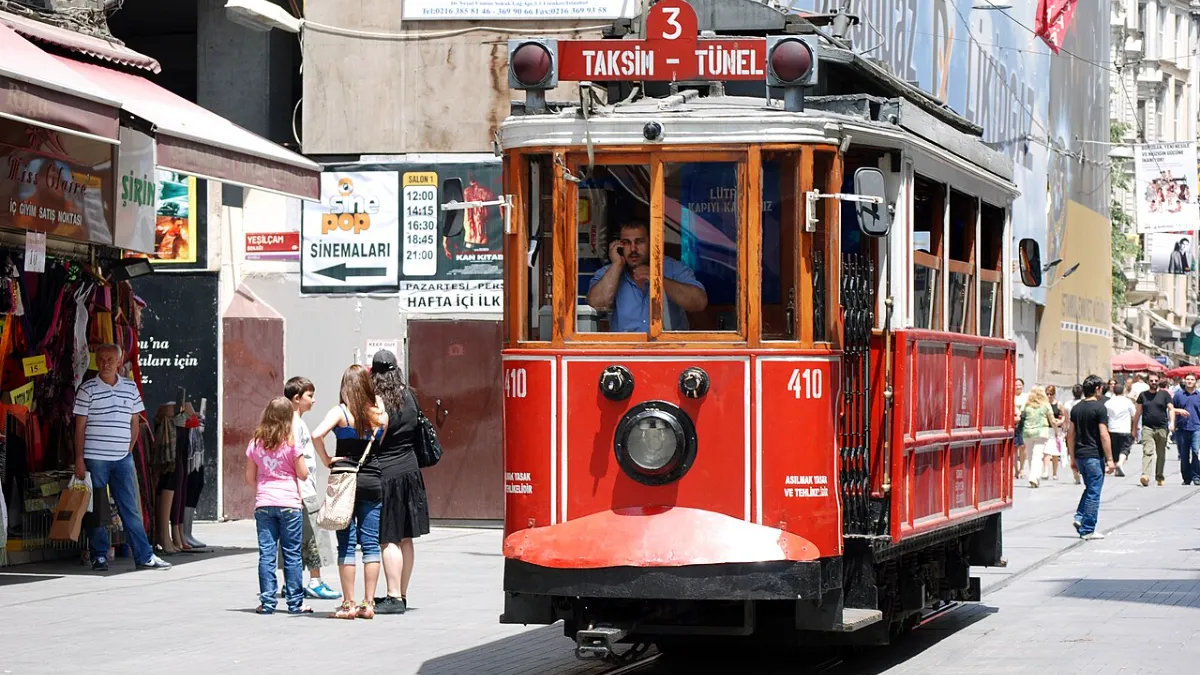
An Istanbulkart works on metro, tram, bus, Marmaray and ferries, and registered students can get a discounted student card. Ferries across the Bosphorus are cheap, scenic and often faster than the road in rush hour.
Want to study in Istanbul?
Saya Group is based in Istanbul. We help you choose a university and district that fit your budget, apply for scholarships and settle in after arrival.
Student Life and Culture
Istanbul offers museums, concerts, football, street food and countless cafés where students study and meet. Most universities have international student offices and clubs, and many offer free Turkish lessons. Learning even basic Turkish makes daily life, from shopping to dealing with landlords, much easier.
Practical Tips for Your First Month
- Complete university registration and apply for your residence permit; see our student visa and residence permit guide.
- Get a Turkish phone number and register your phone if needed.
- Buy an Istanbulkart and apply for a student discount.
- Open a bank account once you have your residence documents.
- Join your university’s international student association.
A Typical Student Budget in Istanbul
Your monthly budget depends mostly on housing. A shared flat or dormitory away from the centre keeps costs manageable, while a private studio in a central district can cost several times more. Food is affordable if you cook and use university cafeterias, and public transport with a student card is cheap. Set aside extra money for your first month, when you will pay deposits, permit fees and insurance.
Best Time to Arrive
Arrive one to two weeks before classes start. This gives you time to register, find long-term housing and apply for your residence permit without missing lectures.
Prefer a calmer, cheaper city? Compare with studying in Ankara.
Popular Programmes for International Students in Istanbul
Istanbul has the widest choice of programmes in Turkey, and international students tend to cluster in a few fields. Health sciences are especially popular: medicine, dentistry, pharmacy, nursing and physiotherapy are offered by many private universities with their own hospitals or clinical partners. If you are considering a medical career, our guide to studying medicine in Turkey explains the six-year programme in detail.
Engineering and computer science, business and economics, architecture and design, psychology and international relations are also in high demand, and most are available in English. As an example of 2026–27 international fees at two Istanbul universities:
| Programme | Üsküdar University | Istinye University |
|---|---|---|
| Medicine (English) | $24,000 | $29,000 |
| Dentistry (English) | $22,000 | $24,500 |
| Psychology | $4,200 (TR) / $5,600 (EN) | $8,000 |
| Engineering | $4,200–$5,600 | $8,000 |
Fees are per year. Üsküdar offers around 10% off for advance payment and Istinye around 5% for full payment, so ask about discounts before you pay.
Istanbul vs Other Turkish Cities
Studying in Istanbul is not the only option, and it is worth comparing it honestly with cities such as Ankara, Izmir or Antalya. Istanbul offers the largest number of universities and English-taught programmes, the most internship and job opportunities, and the strongest international community. It also has the highest rents in Turkey, longer commutes and a faster, busier pace of life.
Smaller cities are usually calmer and cheaper, and it can be easier to practise Turkish there because fewer people switch to English. On the other hand, the choice of programmes and part-time opportunities is narrower. If your priority is a specific university or a career in an international company, Istanbul is usually the stronger choice. If your priority is a quieter environment and a lower budget, another city may suit you better.
Healthcare and Health Insurance for Students
You will need valid health insurance to obtain your student residence permit. Many students buy private insurance that meets residence permit requirements, while some may be eligible to register with the general health insurance system; check the current rules with your university’s international office.
Istanbul has a large number of public and private hospitals, and many private hospitals have international patient departments with English-speaking staff. Universities often run their own health centres or have partner hospitals. For anything beyond minor issues, see a qualified doctor rather than relying on online advice, and keep your insurance card and passport copy with you.
Internships and Career Opportunities
Istanbul is Turkey’s commercial centre, and many international companies, banks, tech start-ups, hospitals and media groups have offices here. This makes internships much easier to find than in smaller cities. Start using your university’s career centre from your first year, attend company days and keep your LinkedIn profile up to date.
Turkish is a clear advantage for most local roles, so consider a Turkish language course at TÖMER alongside your degree. If you plan to stay after graduation, remember that working requires a work permit, and rules can change, so check the current requirements with official sources.
Frequently Asked Questions
Is Istanbul safe for international students?
Istanbul is generally safe for students, like most large cities you should take normal precautions with belongings and late-night travel.
Can I study in English in Istanbul?
Yes. Many private universities and several state universities offer English-taught programmes.
Is Istanbul expensive for students?
It is the most expensive city in Turkey, mainly because of rent, but still cheaper than many European capitals. Choosing the right district makes a big difference.
Which side of Istanbul is better for students?
Both sides have good options. Choose based on your university’s location to keep commuting time short.
Do I need to speak Turkish to live in Istanbul?
You can manage daily life in central areas with English, especially around universities, but basic Turkish makes shopping, renting a flat, using public services and making local friends much easier. Most students pick up the essentials within the first few months.
How long are commutes in Istanbul?
Commutes vary widely. Living close to your campus or near a metro, Marmaray or ferry line can keep your journey short, while crossing the city at rush hour can take well over an hour. Choose housing based on your route to campus, not only on rent.
What should I bring when I move to Istanbul as a student?
Bring your passport, admission letter, original diploma and transcripts with translations, passport photos, any regular medication with a prescription, and enough money for your first month. Our moving to Turkey checklist covers the full list.






