

Almost every family we work with reaches the same fork in the road within the first ten minutes of a consultation. Should the student aim for a state university, which is cheaper but harder to get into, or a private one, which is easier to enter but costs more? The private vs state universities in Turkey question does not have one right answer, but it does have a right answer for each student once you look at budget, grades, language and the programme you want
Türkiye has a large system to choose from. According to YÖK data from early 2025 there are 129 state universities and 75 foundation universities, plus a handful of foundation vocational schools. Here is how the two types really differ, based on what we see when students actually enrol
What “Private” Means in Turkey
Turkish private universities are officially called foundation universities, vakıf üniversitesi in Turkish. By law they are set up by non-profit foundations and stay under state supervision. Bilkent in Ankara became the first one in 1984, and since then names like Koç, Sabancı, Özyeğin, Bahçeşehir, Medipol and Yeditepe have joined the list
This matters for one reason that people often worry about. A private university diploma in Turkey is not a second-class qualification. Programmes need YÖK approval, the curriculum has to meet national standards, and the diploma carries the same legal value as one from a state university. Quality still varies a lot, as it does among state universities, but the paperwork is equal
Private vs State Universities in Turkey: Side-by-Side Comparison
The table summarises what we tell students during the first call. Numbers are typical ranges for international students and change every year, so always confirm on the official fee page
| Factor | State universities | Private (foundation) universities |
|---|---|---|
| Annual tuition for foreigners | Roughly USD 500 – 4,000 for most programmes | Roughly USD 4,000 – 20,000, medicine higher |
| Scholarships | Few discounts, Türkiye Bursları is the main funding route | 25% to 100% merit discounts are common |
| Admission | YÖS, SAT or national exams, limited foreign quotas | Mostly high school GPA and a language certificate |
| Language | Mostly Turkish, some English programmes | Many programmes fully in English |
| Decision speed | Results often in July or August | Offers within days or a couple of weeks |
| Class size | Often large in first years | Usually smaller |
| Diploma value | YÖK accredited | YÖK accredited, legally equal |
Cost: Where State Universities Win
For most bachelor’s programmes, state universities are clearly cheaper. Each state university sets its own fee for international students, and they tend to be higher than for Turkish citizens but still modest by global standards. Our list of the most affordable universities in Turkey shows how low the bill can get, especially outside Istanbul
The gap narrows once you factor in scholarships. A private university with a list price of USD 10,000 that gives you a 50% discount costs USD 5,000, which may only be a little more than a top state university in Istanbul. Some private universities also offer full tuition waivers for outstanding grades, and we cover how those work in our guide to the 100% scholarships available in Turkey
Admission: Where Private Universities Win
State universities admit a limited number of foreign students per programme, and competition for medicine, dentistry, engineering and law at the best ones is intense. Most ask for a YÖS score or a SAT result, and many announce results only in summer, which leaves little time for the visa. If you do not have an exam score, read our guide on how to study in Turkey without the YÖS exam, because that route mostly runs through private universities
Private universities usually admit on high school grades plus an English or Turkish certificate. Many send a conditional offer within a week. That speed is very helpful for students who need an acceptance letter early to plan finances, travel and the residence permit
Quality and Reputation
At the very top, both sectors are strong. Among state universities, METU, Boğaziçi, Istanbul Technical University, Hacettepe and Ankara have long reputations and good international research output. Among private universities, Koç, Sabancı and Bilkent regularly appear in world rankings, sometimes ahead of the state flagships. Our overview of where Turkish universities stand in the world rankings shows how they compare in QS and THE tables
In the middle of the market, things get more mixed. Some newer private universities have excellent facilities but young faculty, and some regional state universities have experienced professors but older buildings. In our experience the programme matters more than the university type. A strong medical faculty at a mid-ranked state university can be a better choice than a weak one at a well-known private campus
How to check a specific programme
- Look the programme up on YÖK Atlas to see quotas, past admission scores and the number of academic staff
- Check whether it holds a national or international accreditation, such as MÜDEK for engineering or TEPDAD for medicine
- Ask current international students about class sizes, labs and internship support
- Confirm the language of instruction and the percentage of courses taught in English
Need help choosing between a state and a private university?
Send us your grades, language level and budget. Our advisers will build a balanced list of state and private options and estimate your scholarship chances for the 2027 intake
Student Life, Language and Facilities
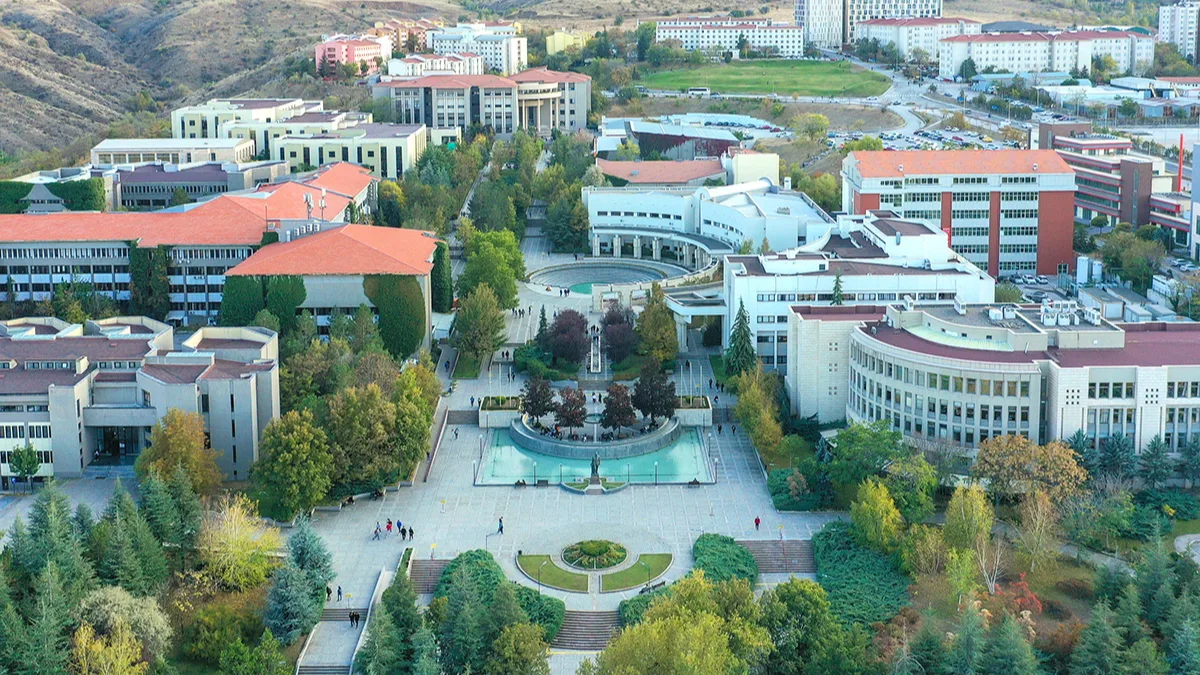
State universities often have very large, green campuses, such as METU in Ankara or Ege in İzmir, and a strong student culture with clubs and festivals. Teaching in the first years can be in big lecture halls, and administration moves slowly. Turkish is the main language, so international students usually spend a year at a TÖMER centre first
Private universities usually have newer buildings, smaller classes and international offices used to foreign students. English is far more common as a teaching language, and staff are used to helping with residence permits and housing. The trade-off is that private campuses in Istanbul can feel corporate, and some are far from the city centre
Which One Should You Choose?
A simple rule we use with families
- Go state if you have a strong exam score, a tight budget and you are willing to study in Turkish
- Go private if you need English-taught programmes, a fast acceptance or do not have YÖS or SAT results
- Apply to both if you are a strong student, because a private scholarship offer is a useful safety net while state results are pending
One more option to keep in mind. Students sometimes start at a private university and later move to a state one, or the other way around. It is possible under YÖK rules, though it depends on quotas and grades, and we explain the conditions in our guide to transferring to another Turkish university
If you are still unsure, start by listing your top three programmes and your maximum yearly budget. That is usually enough for us to say whether the state route is realistic or whether a private scholarship will give you a better deal
Frequently Asked Questions
Are private university degrees in Turkey recognised?
Yes. Private foundation universities are accredited by YÖK and their diplomas have the same legal value as state university diplomas, both in Turkey and for recognition abroad
Are state universities in Turkey free for international students?
No. International students pay tuition at state universities, although it is much lower than at private ones. Türkiye Bursları scholarship holders study without paying tuition
Is it easier to get into a private university in Turkey?
Generally yes. Most private universities admit international students on high school grades and a language certificate, while state universities usually require YÖS or SAT scores and have limited quotas
Do private universities in Turkey offer scholarships?
Yes, most do. Merit scholarships from 25% up to 100% of tuition are common, depending on your grades, exam scores and the programme
Which is better for English-taught programmes?
Private universities offer far more English-taught programmes. A few state universities, such as METU and Boğaziçi, also teach in English but are very competitive






