

Every month we get the same message from a designer in Lisbon or a developer in Toronto: “I can work from anywhere, can I legally base myself in Istanbul for a year?” Since April 2024 the answer has a proper name. The Turkey digital nomad visa is a programme run by the Ministry of Culture and Tourism through GoTürkiye, and it gives remote workers an official status that sits on top of a normal residence permit
It is not complicated, but it is also not the “click and go” product some blogs describe. There are age limits, an income threshold, a degree requirement and a short list of eligible passports. This guide walks through each step the way we explain it to clients, including the parts people usually get wrong
What the Turkey digital nomad visa actually is
Think of it as two layers. The first layer is the Digital Nomad identification certificate that GoTürkiye issues after approving your online application. The second layer is the immigration paperwork you still need: either a visa from a Turkish consulate before you travel, or a residence permit from the Presidency of Migration Management (PMM) once you are in the country
The certificate on its own does not let you stay. What it does is show the consulate or the migration office that the state has already checked your remote work, your income and your background. In our experience this makes the residence permit file cleaner, because the purpose of stay is clearly documented instead of being written as “tourism” with a hopeful explanation
One limit matters a lot. The status is for people working for clients or employers outside Turkey. If a Turkish company wants to hire you, that is a different route entirely and you need a proper work permit issued through the Ministry of Labour

Eligibility requirements for remote workers
The official criteria are short, and the government applies them literally. Here is what you need to meet on the day you apply
- Age between 21 and 55
- A university degree (bachelor’s level or higher), with a scanned diploma
- Proof of remote income of at least $3,000 per month or $36,000 per year
- A work contract with a company registered outside Turkey, or proof that you are a freelancer or business owner with foreign clients
- A passport from one of the eligible countries, valid well beyond your planned stay
The eligible country list has mostly covered EU and Schengen states, the UK, the US, Canada and a handful of others such as Australia, New Zealand, Japan and South Korea. The list has been revised before, so please open the GoTürkiye digital nomad page and confirm your nationality before paying for any translations
A practical note on the degree. We have seen experienced self-taught developers earning far more than the threshold get stuck here. If you don’t hold a degree, the nomad route is closed for now and a regular short-term residence permit may be the realistic option
How income is checked
Bank statements covering the last few months, payslips, or invoices with matching incoming transfers usually work. Freelancers should show a steady pattern rather than one large payment. A client who paid $9,000 in January and nothing after that will raise questions, even though the annual total looks fine
How to apply step by step
- Create an account on the GoTürkiye digital nomad portal and fill in your personal and professional details
- Upload your passport, diploma, employment contract or client contracts, and income evidence
- Wait for the review. Most people we have worked with heard back within a few weeks, though there is no published deadline
- Download the Digital Nomad certificate once approved
- If you are abroad, book a visa appointment at the Turkish consulate in your country of residence and present the certificate
- After arrival, apply online through e-ikamet for a residence permit and attend the PMM appointment with your original documents
Step six is where most delays happen. The e-ikamet system asks for an address in Turkey, health insurance and biometric photos. Arriving without a signed lease often means living in a hotel longer than planned, so read our guide on finding and signing a rental contract in Turkey before you fly
| Stage | Where it happens | Typical time |
|---|---|---|
| Nomad certificate | GoTürkiye online portal | Roughly 2–6 weeks |
| Consulate visa (if needed) | Turkish consulate abroad | A few days to several weeks |
| Residence permit application | e-ikamet, then PMM office | Appointment within weeks, card often 1–3 months later |
| Permit card delivery | Post to your registered address | Varies by city |
Documents checklist and common mistakes
Beyond the portal uploads, keep a physical folder for the migration office. It should hold your passport and copies, the nomad certificate, four biometric photos, a rental contract or notarised address proof, Turkish-accepted health insurance and recent bank statements. Some offices also ask to see the degree original
The mistakes we see most often are simple ones. People submit an income letter that shows gross salary in a currency the officer has to guess at. Others list a home address in Turkey that does not match the lease. A few apply when they are 55 and turn 56 before the permit stage, which creates an awkward conversation at the PMM counter
Cost of living as a digital nomad in Turkey
The $3,000 threshold is generous compared with local salaries, but costs in Istanbul have climbed sharply since 2022. A one-bedroom flat in a sought-after district like Kadıköy, Cihangir or Beşiktaş can easily take a third of that budget. Smaller cities and the coast are cheaper outside summer
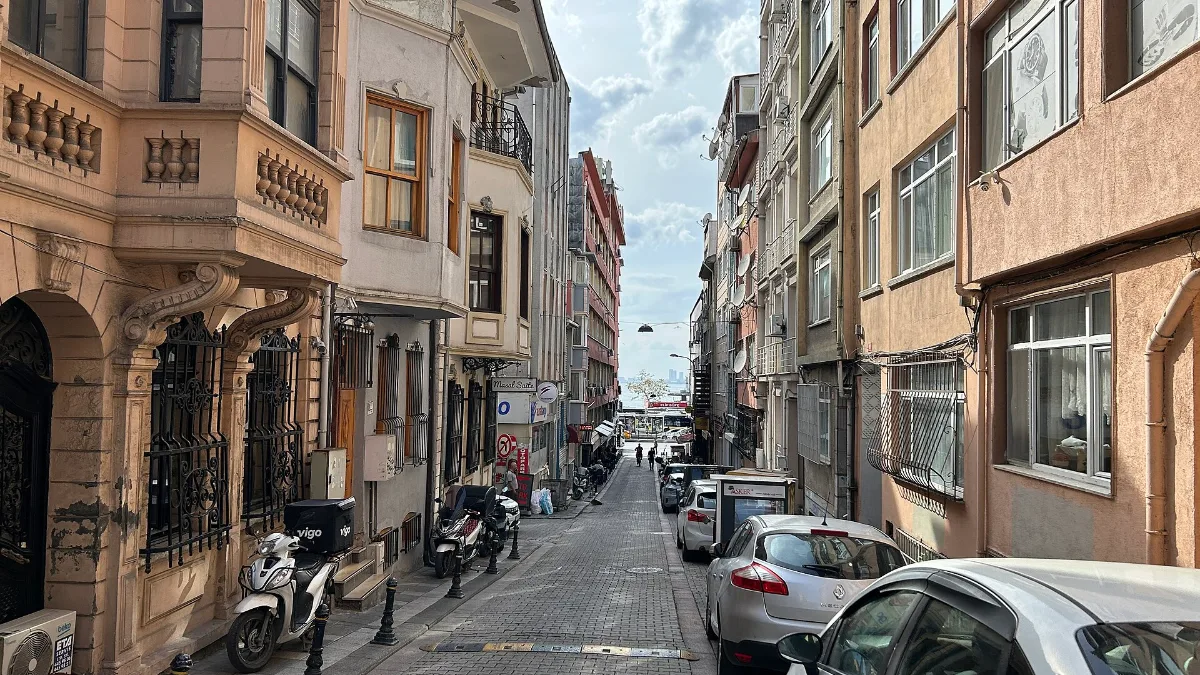
For a rough idea of rent, groceries, transport and coworking prices, our monthly budgeting guide for life in Turkey breaks numbers down city by city. Expect anywhere from $1,400 to $2,500 a month for a single person in Istanbul depending on lifestyle, and noticeably less in Izmir, Antalya or Kaş
Popular bases
Istanbul gives you the best flights and the biggest community. Izmir is calmer with a lively seafront. Antalya, Fethiye and Kaş attract people who want winter sun and are happy with a slower pace, although winter in the small coastal towns can feel quiet
Banking, taxes and daily admin
Once your residence permit is issued you receive a foreigner ID number starting with 99. That number unlocks most daily life, from mobile phone registration to bank accounts. Our walkthrough on opening a Turkish bank account as a foreigner explains which banks are friendlier to newcomers and what they usually ask for
Taxes deserve a serious conversation with an accountant. Turkey generally treats people who stay more than six months in a calendar year as tax resident, and the nomad programme itself does not come with a written tax exemption. Your home country rules also matter. We always suggest getting advice in both countries before your first full year
Phones are another small trap. Foreign handsets used beyond a limited period need IMEI registration, which costs a significant fee. Many nomads simply buy a local phone or accept the registration cost early on
Digital nomad visa vs other residence options
The nomad route suits people who already earn abroad and want a documented one-year stay. It is not the only way to live in Turkey. A standard short-term residence permit for tourism or other purposes is open to almost every nationality without an income threshold, and property buyers or investors have their own routes
| Route | Who it fits | Key condition |
|---|---|---|
| Digital nomad status | Remote employees and freelancers | Degree, $3,000/month, eligible passport |
| Short-term residence permit | Most other long-stay visitors | Address, insurance, sufficient funds |
| Work permit | People hired by a Turkish company | Employer sponsorship |
| Property-based permit | Buyers of residential property | Minimum property value set by law |
Not sure which route fits your situation?
Tell us your passport, income type and plans, and our residency team will tell you honestly whether the nomad route or another permit makes more sense
Renewal and what happens after one year
The certificate and permit are issued for up to one year. If you still meet the conditions, you can apply again or move to another residence category. Apply for the extension through e-ikamet within the last 60 days of your current permit and never after it expires, because overstay fines and entry bans are handled strictly
Years spent on short-term permits only partly count towards the long-term residence permit, which normally requires eight years of continuous legal residence. If you are thinking about a much longer stay, plan the route early with someone who knows the rules
Our honest advice for a first step: check your nationality on the official list, scan your diploma and gather three to six months of income proof this week. Once those are ready the rest of the process moves surprisingly fast, and you can contact us for a document review before you submit
Frequently Asked Questions
Can I bring my family on the Turkey digital nomad visa?
The nomad status is personal, but spouses and children can usually apply for a family residence permit based on your permit. Each family member needs their own documents and insurance
Is the $3,000 income requirement before or after tax?
The programme does not spell this out in detail. To be safe, show net income above $3,000 a month or a clear annual total above $36,000 so there is no room for debate
Can I apply from inside Turkey?
Yes, many people apply for the certificate online while visiting and then submit the residence permit application through e-ikamet before their visa-free or e-visa period ends
Can I work for Turkish clients as a digital nomad?
No. The status is designed for income from abroad. Working for Turkish companies requires a work permit
My country is not on the list. What are my options?
You can still look at a short-term residence permit, a property-based permit or a student route. Our team can compare them for your passport






