
Turkey welcomed roughly 63 to 64 million foreign visitors in 2025 and earned around $65 billion from tourism, which puts it among the top destinations in the world. For students that matters in a very practical way. If you study tourism and hospitality in Turkey, you are learning the trade in a country where five-star resorts, city hotels, cruise ports and restaurants need trained staff every season, and where internships are part of almost every curriculum
We work with many students who choose this field because they want a degree that leads to real jobs quickly, often with languages as their advantage. Below we explain the main programmes, the universities that offer them, costs, internships and what careers usually look like after graduation
Why Study Tourism and Hospitality in Turkey?
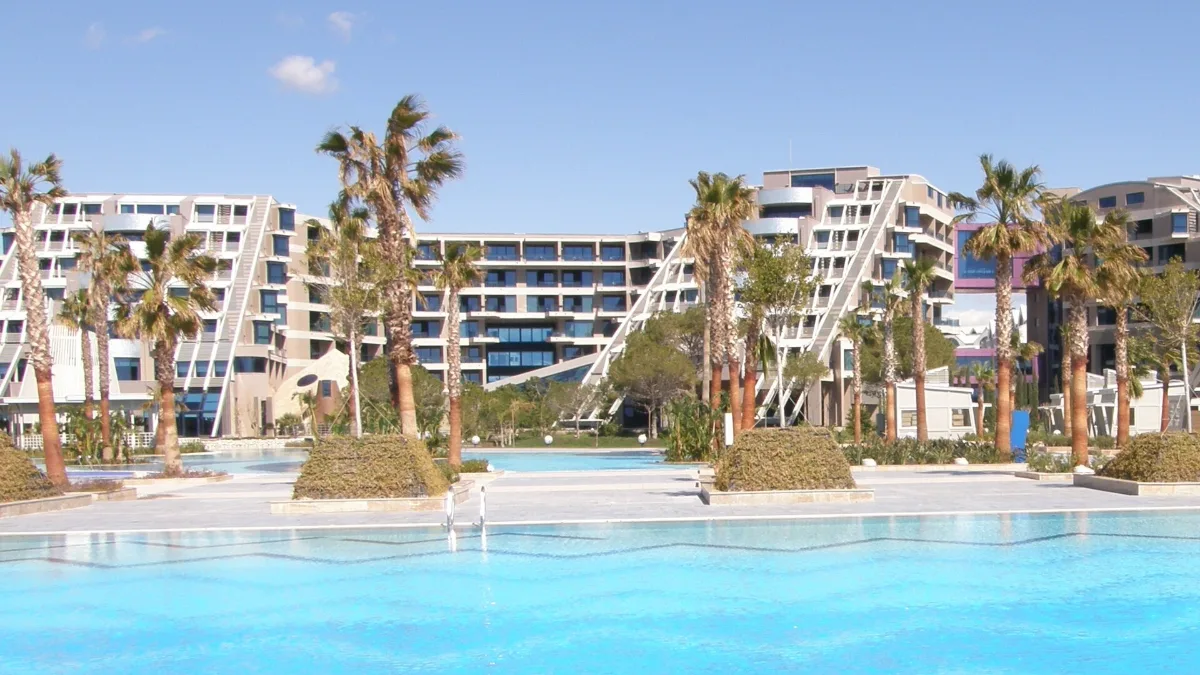
The obvious reason is the industry itself. Antalya alone has hundreds of large resort hotels, Istanbul has a fast growing city hotel and events sector and Cappadocia, Bodrum and the Aegean coast run their own seasonal economies. Turkish tourism faculties have grown with that industry, and many of them have close ties with hotel chains that take interns every summer
The second reason is cost. Compared with hospitality schools in Switzerland or the UK, a four-year degree in Turkey costs a fraction of the price, even at a private university. You also get to practise in an environment where guests come from Russia, Germany, the UK, the Gulf and Iran, so if you speak Arabic, Persian, Russian or German as well as English, you are immediately useful at a front desk
Tourism and Hospitality Programmes in Turkey
Programme names vary between universities, but most fall into a few groups. Read the course list rather than the title, because a “Tourism Management” degree at one university can be very close to “Hotel Management” at another
- Tourism Management: broad business degree covering travel agencies, tour operations, destination marketing and accommodation
- Hotel Management or Accommodation Management: front office, housekeeping, food and beverage, revenue management and hotel finance
- Gastronomy and Culinary Arts: practical kitchen training combined with food science, menu planning and kitchen management
- Tourism Guidance: training for licensed tour guides, taught in Turkish with heavy history and archaeology content
- Recreation Management: leisure, sports tourism and event programmes, often within tourism faculties
Two-year associate degree programmes at vocational schools are also available in areas like cookery and hotel services. They are cheaper and shorter, but they suit students who want to start working fast rather than move into management later
Universities to Consider
Among state universities, Akdeniz University in Antalya has one of the largest tourism faculties in the country, and being in the middle of the resort region gives its students easy access to internships. Anadolu University in Eskişehir and several other state universities also have long-established tourism faculties. Most state programmes are taught in Turkish, which is fine if you are willing to spend a year at TÖMER first
For English-taught degrees, private universities are the usual route. Bilkent University in Ankara, Özyeğin University in Istanbul, Yaşar University in Izmir and Antalya Bilim University are among those that have offered tourism, hotel management or gastronomy programmes in English in recent years. Programme lists change, so confirm the language of instruction for 2027 on each university’s admissions page. Our list of English-taught programmes in Turkey is a useful place to compare options across fields
If living by the sea and working near resorts appeals to you, our guide to student life in Antalya explains housing, transport and the seasonal rhythm of the city
| Option | Typical language | Approximate annual tuition | Best for |
|---|---|---|---|
| State university, tourism faculty | Mostly Turkish | Low, often a few hundred to around $2,000 | Students ready to learn Turkish |
| Private university, hotel management | English or Turkish | Roughly $5,000–$12,000 before discounts | English-taught study and strong industry links |
| Private university, gastronomy | English or Turkish | Roughly $6,000–$14,000 before discounts | Hands-on kitchen careers |
| Vocational school, two years | Mostly Turkish | Low | Fast entry into hotel or kitchen jobs |
These are rough ranges from the last two admission cycles, and private universities regularly offer 25 to 75 percent scholarships to international students. For current figures, see our breakdown of university tuition fees in Turkey
Ask each university how many weeks of internship are compulsory, whether they place you or you find the hotel yourself and whether interns receive a stipend, meals and housing. In our experience a well organised internship office is worth more than a slightly higher ranking, because it decides where you spend your summers
Admission Requirements
Admission to tourism and hospitality programmes is usually less competitive than medicine or engineering. Private universities typically assess your high school diploma and grades, and sometimes SAT or national exam scores. State universities follow their own international student directives and may accept SAT, YÖS or national exam results. Gastronomy programmes occasionally add an interview or a short practical assessment
For English-taught degrees you need IELTS, TOEFL, Duolingo or the university’s own proficiency exam, otherwise you start with a preparatory year. Some private universities accept students without IELTS and test them on arrival, which our guide to the scholarship in Turkey without IELTS covers in more detail
Planning to study tourism and hospitality in Turkey?
We can shortlist programmes that match your budget and language, check internship arrangements and apply for the best available scholarship on your behalf
Internships and Working While Studying
Almost every tourism and hospitality degree includes compulsory internships, usually during the summer season and often totalling 60 to 120 working days across the degree. Students rotate through front office, housekeeping, food and beverage or kitchen roles. Many interns receive accommodation, meals and a small allowance, especially in Antalya resorts, but this depends on the hotel and is not guaranteed
Compulsory internships arranged through the university are treated differently from ordinary jobs, and the university handles insurance. Part-time work outside the curriculum is a separate matter with its own permit rules, explained in our article on whether international students can work in Turkey while studying
Career Prospects After Graduation
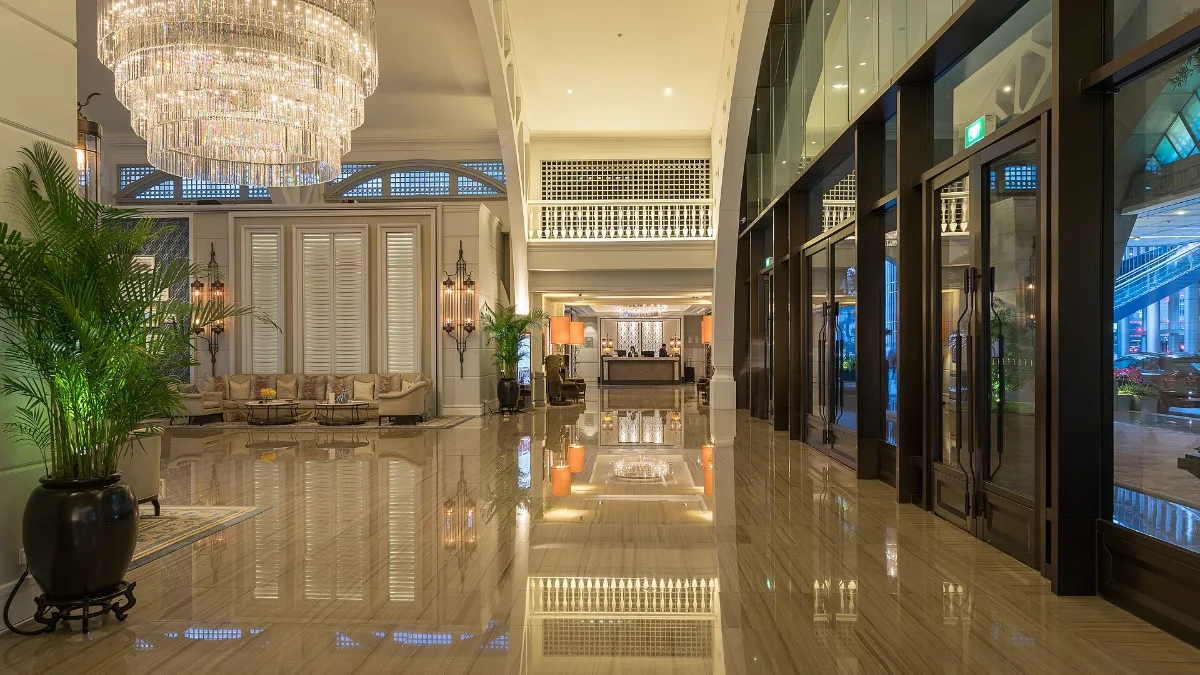
Graduates usually start in operational roles such as front office agent, guest relations, food and beverage supervisor or junior chef, and move into management after a few seasons. Strong languages speed this up considerably. Other paths include tour operators, airlines, event companies, revenue management and hotel sales. Some graduates go on to a master’s in tourism or hospitality management in Turkey or Europe
Staying in Turkey to work after graduation requires a work permit sponsored by an employer, and hotels in tourist regions do hire foreign graduates, particularly for language-based guest relations roles. Our guide on options after graduating in Turkey explains the main routes
A sensible next step is to decide between Turkish-taught and English-taught study, because that single choice determines your university list and budget. Then compare two or three programmes on internship structure and kitchen or hotel facilities, and apply early to secure the best scholarship rate
Frequently Asked Questions
Can I study tourism and hospitality in Turkey in English?
Yes. Several private universities offer English-taught tourism, hotel management and gastronomy degrees. Most state university programmes are taught in Turkish
How long does a tourism degree take in Turkey?
A bachelor’s degree takes four years, plus a preparatory year if your English or Turkish level is not high enough. Associate degrees at vocational schools take two years
Are internships paid in Turkish hotels?
Some are and some are not. Many resort internships include accommodation, meals and a small allowance, but terms differ between hotels, so ask before you accept a placement
Which city is best for studying hospitality in Turkey?
Antalya is the centre of resort tourism and internships, Istanbul is strongest for city hotels, events and restaurants, and Izmir offers a mix of both with lower living costs
Is gastronomy a good degree for international students in Turkey?
It can be, if you enjoy practical kitchen work. Turkish and Mediterranean cuisine training is well regarded, and graduates work in hotels, restaurants and food businesses inside and outside Turkey