
Nutrition used to be the quiet corner of a health sciences faculty. Today it is one of the departments our applicants ask about most, partly because hospitals, sports clubs and food companies all need dietitians, and partly because it offers a clinical career without the six years of medicine. If you want to study nutrition and dietetics in Turkey, you will find a well-established field with four-year programmes, hospital-based training and a growing number of English-taught options
Arabic-speaking reader? This guide is also available in Arabic: دراسة التغذية والحميات في تركيا للطلاب العرب.
This guide explains how the degree is structured, which universities to look at, what it costs for international students in 2026–27, how admission works and where graduates actually end up working. As always, check fees and entry rules on each university’s own page before applying, since they change from year to year
What the nutrition and dietetics degree covers
The programme is called Beslenme ve Diyetetik in Turkish, and graduates take the title diyetisyen (dietitian). It sits in the Faculty of Health Sciences, alongside nursing and physiotherapy, and runs for eight semesters. If the programme is English-taught and you do not meet the language requirement, add a preparatory year at the start
The first two years are heavy on science. Expect chemistry, biochemistry, physiology, anatomy, microbiology and food chemistry, often shared with other health departments. Students who were weak in chemistry at school feel this most, so we usually suggest reviewing organic chemistry before arrival
The third and fourth years move to applied subjects:
- Clinical nutrition for conditions such as diabetes, kidney disease, cancer and obesity
- Maternal and child nutrition, including infant feeding and paediatric cases
- Community and public health nutrition, with surveys and field studies
- Food service management for hospitals, schools and large kitchens
- Sports nutrition and nutrition counselling techniques
The final year is largely practical. Students rotate through hospital wards, outpatient clinics, institutional kitchens and public health units under supervision. This is where the degree in Türkiye is strong, because many universities have their own hospitals and the patient volume is high
Best universities for nutrition and dietetics in Türkiye
Hacettepe University in Ankara is widely regarded as the pioneer. Its department is one of the oldest in the country and much of the Turkish dietetics curriculum traces back to it. Ankara University and Gazi University, both also in Ankara, have long-standing departments with strong hospital links. These state programmes are mostly taught in Turkish
For English-taught options, international students often look at Haliç University in Istanbul, Çukurova University in Adana and Izmir University of Economics, among others. Başkent University in Ankara is another private option with its own hospital network. Read our comparison of private and state universities in Türkiye if you are unsure which route suits you
| University | City | Type | Main language |
|---|---|---|---|
| Hacettepe University | Ankara | State | Turkish |
| Ankara University | Ankara | State | Turkish |
| Gazi University | Ankara | State | Turkish |
| Çukurova University | Adana | State | English track available |
| Haliç University | Istanbul | Private | English track available |
| Izmir University of Economics | Izmir | Private | English |
| Başkent University | Ankara | Private | Mostly Turkish |
Language of instruction can change between years, and some departments run both a Turkish and an English section. Confirm which section you are applying to, since the fees and quotas are often different
Tuition fees for international students
State university fees for foreign students are set by each university and usually range from a few hundred to around $3,000 a year for health sciences. Private universities typically charge roughly $3,000 to $7,000 a year for nutrition and dietetics, before scholarships. Many private universities offer discounts of 25 to 50 percent, and sometimes more, based on school grades or exam scores
Our full guide to university tuition fees in Türkiye gives broader ranges. Do not forget lab coats, placement transport and textbooks, which add a modest but real amount each year
Admission requirements
International admission follows the same pattern as other bachelor’s programmes. Private universities mostly admit on your high school diploma and grades, while state universities usually ask for a YÖS-type exam score or SAT. Science subjects in your final school years make a difference, and some departments look specifically at biology and chemistry grades
- High school diploma and transcript, with an apostille or consular attestation where required
- Passport copy and photos
- Exam score for state universities, such as SAT or the university’s own test
- English proficiency for English-taught programmes, or the university’s own placement test
- Turkish proficiency (often TÖMER C1) for Turkish-taught programmes, or a year of Turkish study after admission
If your English score is below the threshold, the English preparatory year lets you start without a separate application. Treat it seriously, because students who struggle there often struggle with the scientific vocabulary later
Thinking about dietetics in Türkiye?
Tell us your grades and preferred city, and we will match you with programmes, check language options and apply for available discounts
Careers after a nutrition and dietetics degree
Graduates work in hospitals, private clinics, sports clubs, food companies, catering firms, schools and public health organisations. Some open private counselling practices, which is a popular route in Turkish cities. A good number continue with a master’s in clinical nutrition, sports nutrition or public health, either in Türkiye or in Europe
Working as a dietitian in your home country depends on local rules. Gulf countries usually ask for verification of your degree and a licensing exam. The UK, Canada, Australia and the United States have their own registration systems that may require further study, supervised practice or an accredited programme, so check the professional body before you choose. Our article on whether Turkish degrees are recognised abroad covers the general picture
Students sometimes hesitate between dietetics, nursing and physiotherapy. Dietetics is more chemistry-heavy and involves more counselling, with less physical patient handling. If you enjoy movement and rehabilitation, look at physiotherapy in Türkiye as well. Nursing has the widest job market but the most demanding shift work
Choosing a city for your dietetics studies
Ankara is the traditional centre for the field, with Hacettepe, Ankara University, Gazi and Başkent all within reach. It is a calmer, cheaper student city than Istanbul and has a large hospital network, which helps when you look for summer internships. Istanbul has more private universities and English-taught sections, and far more jobs in sports clubs, private clinics and food brands, but rent is higher and commutes are long
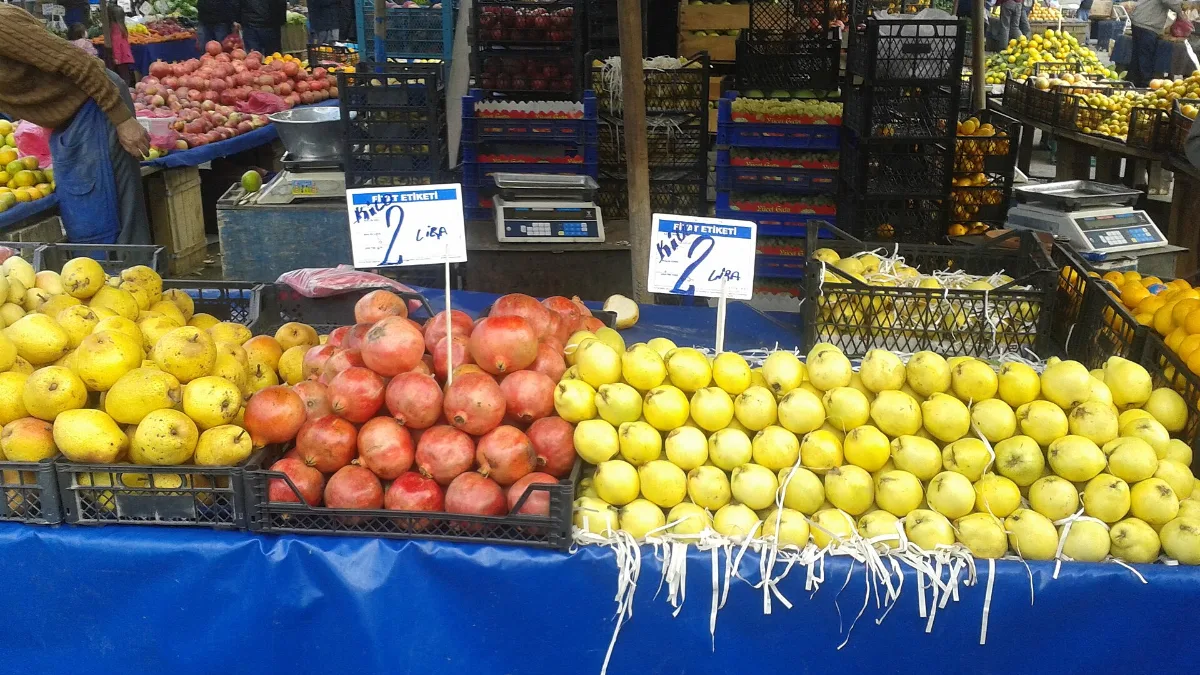
Izmir and Adana sit in between. Both are on the coast or close to it, with a strong local food culture built around vegetables, legumes and olive oil, which is a nice bonus when your coursework involves analysing real diets. Living costs are generally lower than Istanbul, and students tell us they find it easier to settle in. Whichever city you pick, try to arrange at least one voluntary summer placement in a hospital kitchen or clinic before your final year, since it makes the compulsory rotations far less stressful
Your next step
Shortlist three or four universities, check whether each one teaches in English or Turkish, and compare their hospital placements rather than only the fees. Apply early, since health sciences quotas for international students are often small and fill before general programmes do. If you send us your transcript, we can tell you within a day or two which programmes are realistic
Frequently Asked Questions
How long does it take to study nutrition and dietetics in Turkey?
The bachelor’s degree takes four years, plus one optional preparatory year if you need to improve your English or Turkish first
Can I study nutrition and dietetics in English in Turkey?
Yes, several private universities and some state universities offer English-taught programmes or English sections. Always confirm the language for the year you apply
Is there a licensing exam for dietitians in Türkiye?
In our experience, graduates of a YÖK-approved programme start working as dietitians in Türkiye without a separate national licensing exam, though rules can change. Foreign graduates who want to work there also need a work permit and usually good Turkish
Is the degree hard for students without a strong science background?
The first two years are demanding in chemistry and biochemistry. Students who review these subjects before starting generally manage well
Can I get a scholarship for dietetics?
Private universities often give merit discounts, and Türkiye Bursları includes health sciences programmes. Competition for full funding is high, so apply to discounts at the same time