

Every September our phones fill up with the same message from new students: “I got my acceptance, but where do I actually live?” Finding student accommodation in Turkey is often harder than getting admitted, especially in Istanbul, where good rooms near campus are gone by late August. The good news is that you have real options at almost every budget, as long as you start early and know which documents each type of housing gives you for your residence permit
This guide covers the three main choices (university dorms, private dormitories and shared flats), what they cost for the 2026–27 academic year, and the mistakes we see students make every single intake
The Three Main Types of Student Accommodation in Turkey
Turkish students mostly live in state dormitories run by the Credit and Dormitories Institution (KYK), in private dormitories called özel yurt, or in rented flats shared with friends. International students have a slightly narrower menu, because KYK places are allocated mainly to Turkish citizens and to some government scholarship holders. Türkiye Bursları students, for example, are usually placed in state dorms as part of their scholarship package
If you are a self-funded student at a private or state university, your realistic options are the university’s own residence (if it has one and accepts foreigners), a private yurt, or a flat. Many private universities in Istanbul such as Bahçeşehir, Altınbaş or Medipol do not run large on-campus halls. Instead they have agreements with nearby private dorms and can send you a list
University and State Dormitories
Some state universities have their own residences on campus, separate from KYK. Hacettepe’s Beytepe campus in Ankara, METU, Ege University in Izmir and Akdeniz University in Antalya all have campus housing of different sizes. Rooms are typically doubles, triples or quads, with shared bathrooms on older blocks and en-suite rooms in newer ones
The price is the main attraction. University-run dorms are usually the cheapest legal housing you will find, often a fraction of a private yurt. The downside is limited availability for foreigners, strict curfews in many buildings, and separate blocks for men and women. Ask the international office in writing whether foreign students can apply and when the application window opens, because it often closes before visa appointments are finished
Private Dormitories (Özel Yurt): What You Get
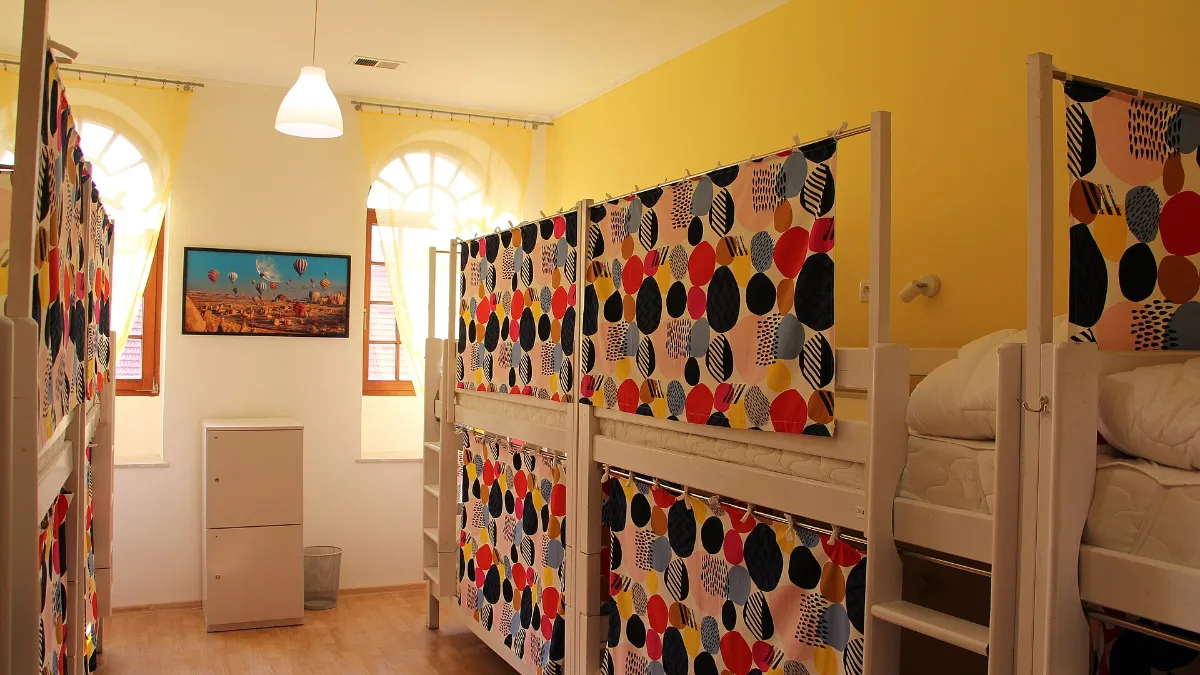
Private dorms are where most of our self-funded students start. They range from simple buildings with bunk beds to hotel-style residences with gyms, study rooms, cleaning and two meals a day. Quality varies enormously, so the name “residence” on a website tells you very little
A typical mid-range private yurt includes the following
- A bed, desk and wardrobe in a single, double or triple room
- Breakfast and dinner on weekdays (sometimes only breakfast)
- Wi-Fi, heating, hot water and weekly cleaning of common areas
- 24-hour security, a reception desk and visitor rules
- A dormitory certificate (yurt belgesi) you can use for your residence permit file
Most private dorms are single-gender and many have entry curfews around 23:00 or midnight. If that sounds restrictive, remember that first-year students who move straight into a flat often struggle with contracts, bills and landlords in a language they do not yet speak. A year in a yurt gives you time to learn the city before committing to a lease
Student Accommodation Costs in Turkey for 2026–27
Turkish media reported this summer that private dorm prices in Istanbul run from roughly 170,000 TL to well above 900,000 TL for the academic year, with some premium rooms reaching around 76,000 TL a month. Ankara, Izmir and Antalya are noticeably cheaper, and smaller cities like Eskişehir, Konya or Kayseri cheaper still. Because the lira moves, many private dorms quote in lira but adjust every term, so always ask whether the price is fixed for the full year
| Housing type | Istanbul (per month, approx.) | Ankara / Izmir (per month, approx.) | Best for |
|---|---|---|---|
| University dorm (if available) | Low, often under 5,000 TL | Low, often under 5,000 TL | Tight budgets, scholarship students |
| Private yurt, shared room | 15,000 to 35,000 TL | 10,000 to 25,000 TL | First-year students |
| Private yurt, single en-suite | 35,000 to 76,000 TL | 25,000 to 45,000 TL | Students who want privacy and meals included |
| Room in a shared flat | 12,000 to 30,000 TL plus bills | 8,000 to 18,000 TL plus bills | Second year onwards |
| Studio or 1+1 flat alone | 30,000 to 60,000 TL plus bills | 18,000 to 35,000 TL plus bills | Postgraduates, couples |
These are ranges from listings and from what our students actually paid, not official tariffs. Districts matter more than cities. A room in Kadıköy, Beşiktaş or Şişli costs far more than the same room in Esenyurt or Avcılar, but the cheaper districts can add an hour of commuting each way. For a fuller monthly budget including food and transport, see our guide to the cost of living in Turkey for students
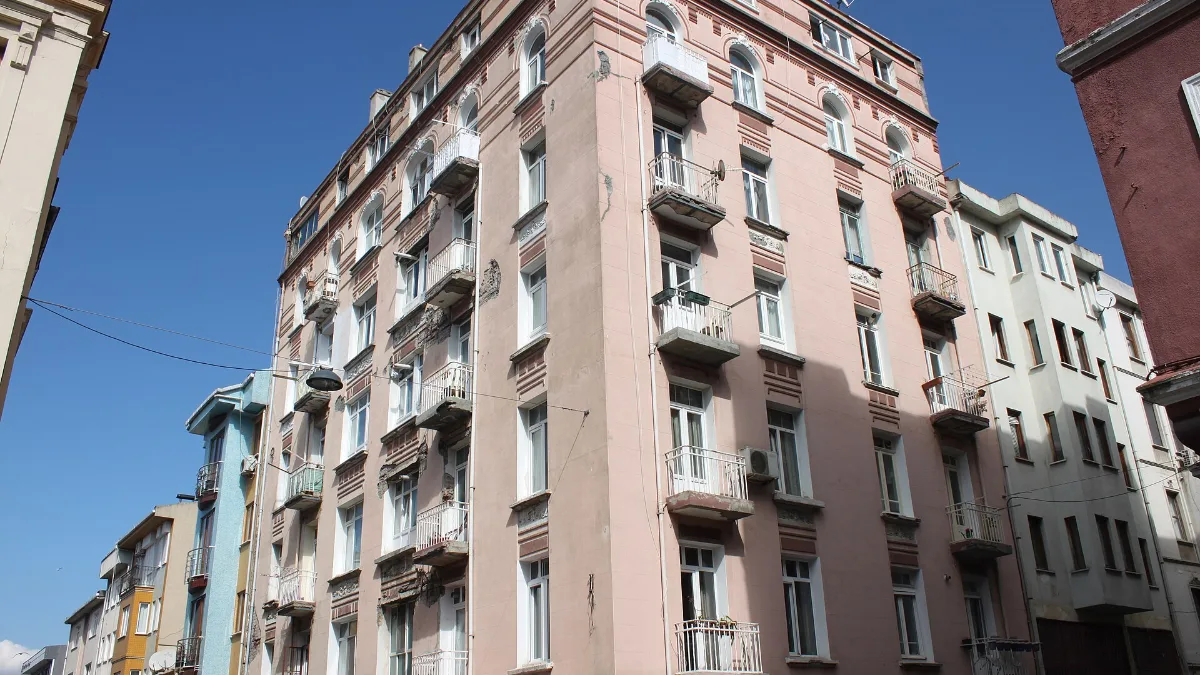
From the second year, many students move into a flat with two or three friends. It is usually cheaper per person and gives you a kitchen and freedom, but it brings work. Landlords often ask for a deposit of one or two months, sometimes a Turkish guarantor, and an agency fee that is commonly one month’s rent plus VAT
Things to check before you sign
- Is the contract in the name of one tenant or all of you, and who will hold it for the residence permit?
- Are dues (aidat), heating and building costs included or extra?
- Is there natural gas heating (kombi), or electric heating that can triple winter bills?
- Can the contract be notarised, since a notarised lease is usually needed for the permit application?
- How long is the term, and what happens if you leave after one semester?
We cover contracts, deposits and agencies in more detail in our guide to renting an apartment in Turkey as a foreigner
Housing and Your Residence Permit
This is the part students underestimate. Your student residence permit application through e-ikamet asks for an address, and the migration office (PMM) needs proof of it. In a private yurt, the dorm gives you an official certificate. In a flat, you will normally need a notarised rental contract or a title deed if a relative owns the property. Your address must also be registered with the population office, which links it to your foreigner ID number
Without that document, your appointment can be postponed and your file stalls. Plan your housing so that you have the paperwork within the first few weeks after arrival, well inside the window for applying. Our step-by-step guide to the Turkish student visa and residence permit explains the full file
Need help finding a room before you fly?
Saya Group helps admitted students shortlist dorms near their campus, check contracts and prepare the residence permit file so nothing gets stuck at the migration office
Choosing a Location: Campus, Commute and City
In Istanbul, choose the side of the city first. If your university is on the Asian side (Kadıköy, Ataşehir, Üsküdar), living on the European side means crossing the Bosphorus twice a day. Use the metro and Marmaray lines as your guide rather than kilometres on a map. Our full guide to student life in Istanbul breaks down the main university districts
In Ankara, most campuses are on the Eskişehir road corridor, and areas like Çankaya, Bahçelievler and Ümitköy are popular with students. Izmir students tend to live in Bornova near Ege University or Buca near Dokuz Eylül. In Antalya, Konyaaltı and the area around Akdeniz University’s campus are the usual picks
Common Mistakes With Student Accommodation in Turkey
- Paying a full year in advance to a dorm you have only seen in photos
- Sending deposits to “landlords” on social media without seeing a contract or the property
- Waiting for the visa before looking, then finding only expensive rooms left
- Ignoring the commute and choosing a cheap district two hours from campus
- Signing a flat lease that cannot be notarised, which causes residence permit problems
In our experience, the students who settle in fastest book a private dorm for the first semester only, then use those months to look at flats in person with classmates. It costs a little more at the start but saves a lot of stress
Your Next Step
Once you have your acceptance letter, ask the international office for their housing list and dorm partners the same week. Shortlist two or three places, ask each one for a written price for the full year and confirm they issue a dormitory certificate. If your budget is tight, look at universities in more affordable cities, where rent can be half of Istanbul’s
Frequently Asked Questions
Can international students stay in KYK dormitories?
KYK dorms are mainly for Turkish citizens. Some international students, especially Türkiye Bursları scholarship holders, are placed in state dorms, but self-funded students usually need a university residence, private yurt or flat
How much does student accommodation in Turkey cost per month?
It depends heavily on the city and type. In Istanbul a shared private dorm room is roughly 15,000 to 35,000 TL a month in 2026, while Ankara and Izmir are cheaper. Always confirm current prices directly with the dorm
When should I book a dorm?
Ideally by June or July for a September start. Popular dorms near big Istanbul campuses often fill up in August
Do I need a notarised rental contract for my residence permit?
If you live in a flat, a notarised lease is usually required. If you live in a dorm, the dormitory certificate is normally enough
Are private dorms in Turkey mixed-gender?
Most are single-gender, with separate buildings or floors. A few newer residences have mixed buildings with separate floors






