

Turkey has one of the largest veterinary education systems in Europe and the Middle East, with dozens of faculties spread from Istanbul and Bursa to Konya, Elazığ and Kars. Livestock farming is a big part of the economy, so vets are trained with plenty of large animal work, not just cats and dogs. If you want to study veterinary medicine in Turkey, this guide covers the language question, admission, realistic fees for 2026–27 and how the degree is recognised when you go home
One honest warning before we start. Veterinary medicine is much less internationalised than medicine or engineering in Turkey. English-taught options are rare, so the right plan for most students involves learning Turkish
How veterinary degrees work in Turkey
The degree lasts five years (ten semesters, around 300 ECTS) and graduates receive the professional title veteriner hekim, which is the equivalent of a Doctor of Veterinary Medicine. There is no separate pre-vet bachelor’s, so you enter straight from high school
The first two years cover anatomy, histology, physiology, biochemistry and animal breeding. Years three and four move into pathology, pharmacology, microbiology, parasitology, internal medicine, surgery and obstetrics. The fifth year at most faculties is a practical year spent in clinics, on farms and in food hygiene and public health settings. Food safety and meat inspection get more attention in Turkey than in many Western curricula, which is useful if you plan a career in government veterinary services
Can you study veterinary medicine in Turkey in English?
Almost all veterinary faculties teach in Turkish. Ankara University’s Faculty of Veterinary Medicine, the oldest in the country with roots going back to 1842, runs a separate English-taught program with a small quota, and a few faculties teach some courses in English. Competition for those English seats is strong and the number of places changes from year to year
For a Turkish-taught program you will need a Turkish proficiency certificate, usually C1, from a recognised centre such as Ankara University TÖMER. Most universities give you one year to reach that level before starting the faculty. In our experience students who study seriously for 8 to 10 months reach C1, but veterinary Turkish has its own vocabulary, so expect the first semester to be slow. Our guide to Turkish courses at TÖMER explains the levels and costs
Best veterinary faculties to consider
Rankings matter less in veterinary medicine than accreditation and clinical facilities. The European Association of Establishments for Veterinary Education (EAEVE) evaluates schools against European standards. Ankara University holds EAEVE accreditation, and several other Turkish faculties, including Bursa Uludağ University, have gone through the evaluation process. The status of each school can change, so check the current list on the EAEVE website before you apply
- Ankara University for its history, large teaching hospital and the English-taught option
- Istanbul University-Cerrahpaşa for its location in Istanbul and strong small animal clinics
- Bursa Uludağ University for a solid clinical program in a cheaper, student-friendly city
- Selçuk University in Konya, with a big livestock region on its doorstep
- Fırat University in Elazığ and Erciyes University in Kayseri, both with lower living costs
Ankara is a natural first choice for many of our students because so many veterinary institutions are based there. If you are considering the capital, our guide to student life in Ankara covers neighbourhoods, dormitories and monthly budgets
Admission requirements for international students
State universities set their own rules. Some ask for YÖS results or SAT scores, others accept national exams such as the Iranian Konkur, the Pakistani FSc results or the Iraqi baccalaureate, and a growing number simply look at high school grades. Biology and chemistry scores carry a lot of weight. If you are unsure about the exam route, read how the YÖS exam works before you decide
- High school diploma and transcripts, translated and notarised
- Exam scores (YÖS, SAT or an accepted national exam) where required
- Passport copy and passport-sized photos
- Turkish proficiency certificate, or a commitment to complete TÖMER
- High school equivalence (denklik) from the Turkish Ministry of Education before final registration at state universities
The equivalence step catches people out every year. Our page on diploma equivalence in Turkey explains which documents the Ministry asks for. Applications at state universities usually open between March and July, with each university publishing its own calendar
Veterinary medicine fees and living costs
Veterinary medicine is one of the better value degrees in Turkey because most places are at state universities. The ranges below reflect what we see for international students in the 2026–27 cycle. Always confirm on the university’s own fee page, as amounts are announced each summer
| Option | Typical annual tuition | Language | Notes |
|---|---|---|---|
| State university | Roughly $700 to $3,500 | Turkish | Most common route |
| English-taught track (Ankara) | Higher than the Turkish track | English | Very limited seats |
| Private university | Roughly $5,000 to $10,000 | Mostly Turkish | Few faculties, check accreditation |
| Living costs (outside Istanbul) | Roughly $4,500 to $8,000 | Dorm or shared flat |
Clinical training and what makes it different
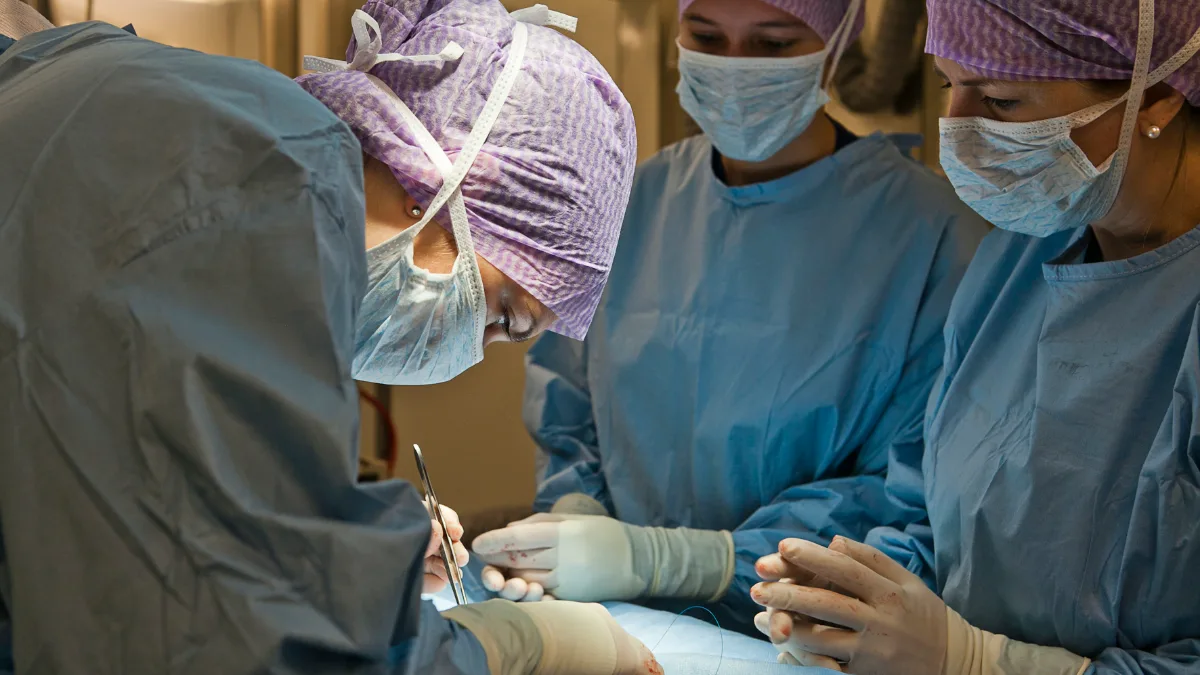
Turkish faculties run their own animal hospitals with small animal, equine and farm animal clinics, and the bigger ones also have research farms. Students spend long practical days in the last two years. Expect early mornings, emergency shifts and placements at slaughterhouses for food hygiene training. Students who come in thinking only about pets are sometimes surprised, but graduates with real farm experience are in demand in the Gulf, Central Asia and Africa
Want to know which veterinary faculty will accept you?
Send us your transcript and we will check eligibility at Turkish veterinary faculties, plan your TÖMER year and handle applications and equivalence
Recognition and working after graduation
A Turkish veterinary diploma is a full professional degree. To practise in your own country you will normally register with the national veterinary council, which may ask for an apostilled diploma, transcripts and sometimes a licensing exam. If you plan to work in the EU, graduating from an EAEVE-accredited faculty makes the process noticeably smoother. Inside Turkey, practising as a vet is generally reserved for Turkish citizens, so foreign graduates usually work abroad or move into research and postgraduate study
If you are still choosing between health fields, compare this route with our guide to nursing degrees in Turkey, which are shorter and more often available in English
Mistakes we see veterinary applicants make
- Applying only to Ankara’s English program and having no Turkish-taught backup when the small quota fills
- Leaving the high school equivalence until August, when Ministry offices are busiest
- Picking a faculty purely on fees without checking clinic facilities, caseload or accreditation
- Underestimating the cost of textbooks, protective clothing and travel to farm placements in the later years
None of these are disasters on their own, but together they can cost you a full year. A little planning in the spring usually avoids all of them
Your next step
Check whether you can realistically learn Turkish, because that decides almost everything here. Then gather your transcript and exam results and shortlist three faculties in cities you can afford. We help students build that shortlist each spring, and the earlier you start, the easier the equivalence and visa steps become
Frequently Asked Questions
Can I study veterinary medicine in Turkey in English?
Only in very limited places. Ankara University runs an English-taught veterinary program with a small quota. Almost every other faculty teaches in Turkish, so most international students complete a Turkish language year first
How many years is veterinary school in Turkey?
Five years, or six if you add a Turkish preparatory year. There is no shorter route and no pre-vet degree is required
How much does it cost to study veterinary medicine in Turkey?
At state universities tuition for international students is usually around $700 to $3,500 per year. Private options cost more, roughly $5,000 to $10,000, and living costs add about $400 to $700 a month outside Istanbul
Is a Turkish veterinary degree recognised in Europe?
Graduates of EAEVE-accredited faculties, such as Ankara University, generally have the smoothest path. Recognition is decided by each country’s veterinary authority, so check their requirements before you enrol
Do I need YÖS for veterinary medicine?
It depends on the university. Some state universities ask for YÖS or SAT, others accept your national exam or high school grades






