

With thousands of years of architectural heritage, from Byzantine churches and Ottoman mosques to modern skylines, Turkey is an inspiring place to study architecture. Its universities combine strong design studios with affordable fees and many English-taught options. This guide explains how to study architecture in Turkey in 2027.
Top Architecture Schools in Turkey
- Middle East Technical University (METU), Ankara: one of the best-known architecture faculties in the region, taught in English.
- Istanbul Technical University (ITU): a historic school of architecture with strong design and planning departments.
- Mimar Sinan Fine Arts University, Istanbul: named after the great Ottoman architect, strong in design and arts.
- Yıldız Technical University, Istanbul and other established state faculties.
- Private universities such as Bilkent, Özyeğin, Bahçeşehir, Yeditepe and Altınbaş offer English-taught architecture with modern studios.
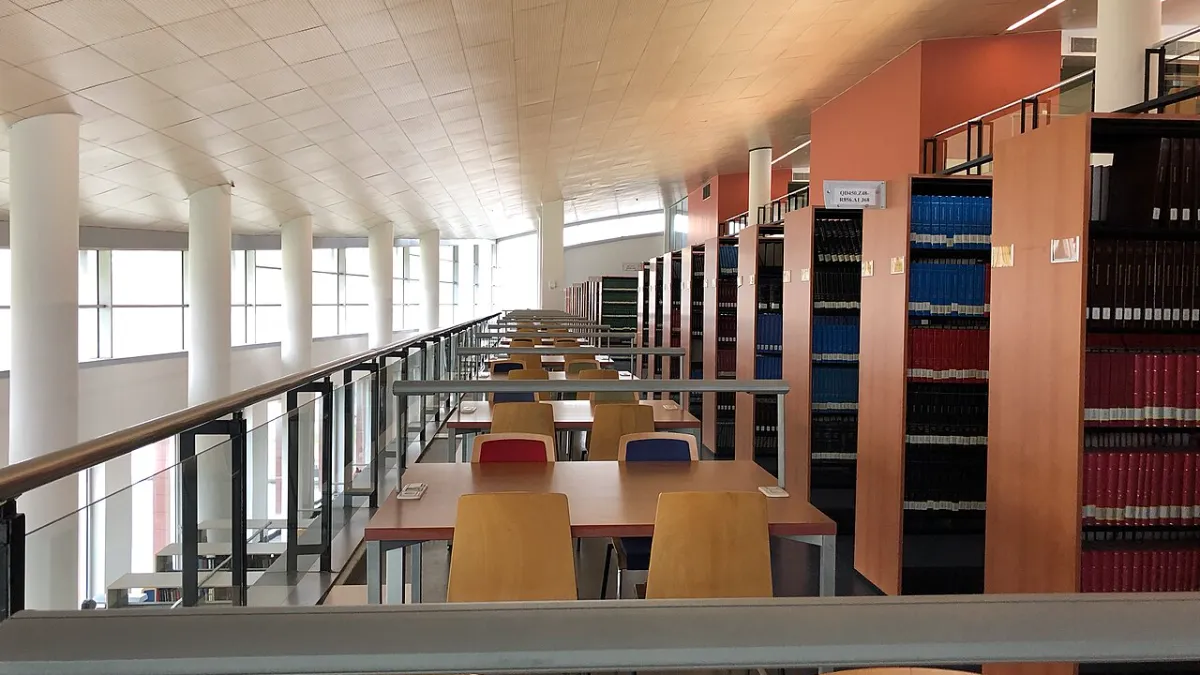
What You Will Study
Expect design studio every semester, plus architectural history, building technology, structures, environmental design, urban planning and digital tools such as CAD, BIM and 3D modelling. Most programmes include summer internships on construction sites and in design offices.
Admission Requirements
- High school diploma, with maths and art or design skills an advantage.
- YÖS or SAT for state universities; private universities mainly look at GPA. See study in Turkey without YÖS.
- English proficiency for English-taught programmes, or a preparatory year.
- Some universities ask for a portfolio or aptitude assessment.
Fees and Scholarships
Architecture fees at private universities are generally moderate, closer to engineering than to medicine, and merit scholarships of 25%–100% are available. Compare prices in our tuition fees in Turkey guide and see 100% scholarship in Turkey.
Interested in architecture in Turkey?
Saya Group compares architecture programmes by language, studios, fees and scholarships, and helps you prepare a strong application.
Careers
Graduates work in architecture and design offices, construction and real estate companies, urban planning and interior design. To practise as a licensed architect in another country you will usually need recognition and registration there, so check the rules early.
Life as an Architecture Student
Expect long studio hours, frequent project reviews (juries) and plenty of model-making. Istanbul and Ankara are full of architectural landmarks, exhibitions and design events, which make studying architecture here particularly rich. Budget for materials, printing and software in addition to tuition.
Architecture, Interior Architecture or Urban Planning?
Before you apply, make sure architecture itself is the right degree. Turkish universities offer several related programmes, and their names can be confusing for international applicants. Each leads to a different kind of professional work.
| Programme | Focus | Good fit if you… |
|---|---|---|
| Architecture | Designing buildings, structure, construction, urban context | enjoy design and technical problem-solving at building scale |
| Interior architecture (and environmental design) | Interior spaces, materials, furniture, lighting | care most about how people use and experience spaces |
| Urban and regional planning | Cities, land use, transport, policy | prefer large-scale planning, data and public policy |
| Landscape architecture | Parks, public spaces, ecology | want to combine design with nature and the environment |
Compare the course lists side by side. If you are unsure, architecture keeps the widest range of options open, and you can specialise later through electives or a master’s degree.
Skills and Software You Will Need
Architecture is a studio-based degree. Much of your grade comes from design projects that you develop over the semester and present to a jury of tutors. That means time management and the ability to explain your ideas matter as much as drawing talent.
- Hand drawing and sketching: still central in the first years for developing ideas quickly.
- Model making: physical models in card, wood and foam are a regular part of studio work.
- Digital tools: students commonly learn CAD, 3D modelling, BIM and rendering software, plus graphic design tools for presentation boards.
- Technical knowledge: structures, building materials, environmental systems and building regulations.
- Communication: presenting and defending your designs in front of a jury, in English or Turkish.
Budget for a capable laptop and for materials and printing, which add up over the year. Ask current students which software licences the university provides.
Learning Architecture in Turkey’s Built Heritage
One of the strongest reasons to study architecture in Turkey is the country itself. Turkey has layers of Hittite, Greek, Roman, Byzantine, Seljuk and Ottoman architecture alongside fast-growing modern cities. Students regularly visit historic sites as part of their studies, from Ottoman mosques and covered bazaars to ancient cities and traditional houses in Anatolia.
At the same time, rapid urban growth, earthquake-resistant design and urban regeneration are live professional issues in Turkey. That gives architecture students practical exposure to topics such as seismic safety, restoration and conservation, sustainable housing and the redesign of older neighbourhoods. Many programmes include restoration or conservation electives, and summer internships on construction sites or in architecture offices are a common part of the degree.
Recognition and Working as an Architect Abroad
Architecture is a regulated profession in many countries, so the degree alone does not always give you the right to use the title “architect”. Turkey follows the Bologna Process, using ECTS credits and a Diploma Supplement, which helps when you present your qualification abroad. However, each country’s professional body sets its own rules for registration, which may include additional exams, professional experience or extra study.
If you plan to practise in a specific country, check its architects’ registration body before you apply, and keep your course descriptions and studio portfolio. Our guide on whether Turkish degrees are recognised explains the general picture. Regulations change, so confirm with the official professional body in your target country.
A Practical Timeline for Applicants
Planning backwards from the start of the academic year makes the process far less stressful:
- 12 to 9 months before: shortlist universities, check the language of instruction and admission route, and start building a small portfolio of drawings, sketches or design work.
- 9 to 6 months before: take any required language or entrance tests and prepare translated copies of your diploma and transcripts.
- 6 to 3 months before: submit applications, attend any interviews and compare offers, including scholarships or early-payment discounts.
- 3 months before to arrival: confirm your place, apply for your student visa if needed and arrange accommodation.
Deadlines are set by each university and can change, so check them on the official admissions pages. Saya Group’s Istanbul advisors can help you plan this timeline if you want to study architecture in Turkey.
Frequently Asked Questions
How long is architecture in Turkey?
Four years for the bachelor’s degree, plus a preparatory language year if needed.
Can I study architecture in English in Turkey?
Yes, at METU and several private universities, among others.
Do I need a portfolio?
Not always, but some universities request one or run an aptitude assessment.
See also English-taught programs in Turkey and studying in Istanbul.
Is it hard to study architecture in Turkey?
Architecture is demanding everywhere, mainly because of the studio workload and project deadlines rather than exams alone. If you enjoy design, manage your time well and accept critique, you can do well. Expect long hours before juries.
Can I do a master’s in architecture in Turkey after my bachelor’s?
Yes. Many universities offer master’s programmes in architecture, restoration, urban design and related fields. See our guide to a master’s degree in Turkey for admission requirements.
Can foreign graduates work as architects in Turkey?
Foreign nationals need a work permit to be employed in Turkey, and practising as a licensed architect involves professional registration rules. Many graduates start in design or support roles in architecture firms. Check the current requirements with official sources before planning your career.






